How to Maintain Healthy Hair Naturally (Complete Routine Guide)
Healthy hair doesn’t require expensive treatments or countless products. It comes from knowing what your hair needs and providing it through simple, natural habits.
Look at the woman with the most enviable hair. The kind that is thick, shiny, strong, and grows with ease. In most cases, their secret is not a luxury product or a complicated treatment. It is a consistent, well-understood routine built on natural care principles that work with the hair rather than against it.
The problem is that most people have been taught to approach hair care backward. They reach for a product every time something goes wrong — a serum for frizz, a treatment for dryness, a tonic for thinning — without ever addressing the underlying habits and practices that caused the problem in the first place. This is like putting a plaster over a wound that keeps reopening. It manages the symptom without ever fixing the cause.
In this complete routine guide, we do the opposite. We start from the foundation: understanding your hair type, building a proper washing routine, caring for your scalp, nourishing from the inside out, and protecting your hair from damage that weakens it over time. Everything here is natural, practical, and focused on long-term results, not quick fixes.
By the end of this guide, you will have a complete we will learn How we can Maintain Healthy Hair Naturally by using some easy methods.
Understanding Your Hair Before You Can Care for It
Before you can build an effective natural hair care routine, you need to understand what type of hair you are working with. Using the wrong techniques or products for your hair type is one of the most common reasons people struggle with dryness, frizz, breakage, and slow growth — despite putting in genuine effort.
The Four Main Hair Types
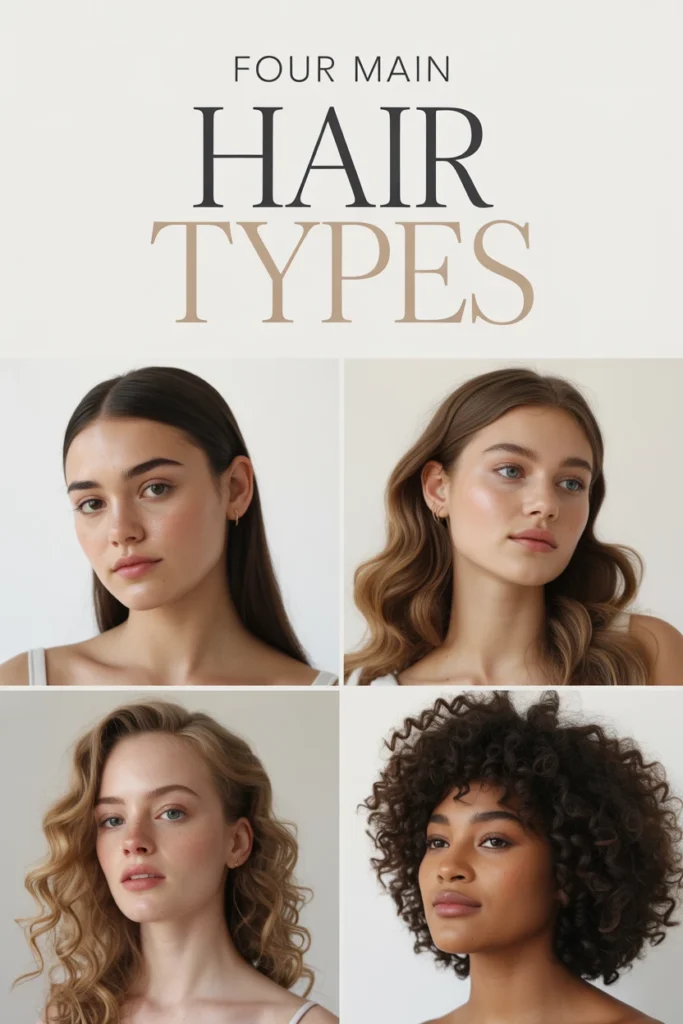
Type 1 — Straight Hair
Straight hair lies flat and has no curl. It gets oily faster because scalp oil travels down more easily. Though resilient, it can quickly become limp and flat.
Type 2 — Wavy Hair
Wavy hair falls between straight and curly, in a loose S-shape. It can frizz in humidity and does best with lightweight moisture; heavy products weigh it down.
Type 3 — Curly Hair
Curly hair forms defined ringlets or spirals and is naturally drier than straight or wavy hair because the curl pattern prevents sebum from travelling freely down the shaft. Curly hair requires significantly more moisture and gentler handling than straight hair types.
Type 4 — Coily or Kinky Hair
Coily hair has the tightest curl pattern, from tight coils to zig-zags. It is the most fragile, driest, and most prone to shrinkage and breakage. It needs the deepest moisture, gentlest handling, and most protective styling.
Understanding Hair Porosity
Hair porosity refers to how easily your hair absorbs and retains moisture. It is determined by the condition of the hair’s outer layer — the cuticle —, and it has a profound effect on how your hair responds to products and treatments.
Low Porosity Hair
The cuticle is flat and tightly packed, making it hard for moisture to enter. Low-porosity hair resists absorption, takes a long time to wet, and is prone to buildup as ingredients sit on the surface. It benefits from heat-assisted conditioning and lightweight, water-based products.
Medium Porosity Hair
The cuticle is slightly raised, allowing moisture to easily enter and remain. Medium porosity hair is balanced and responds well to most natural care methods.
High Porosity Hair
High porosity hair’s cuticle is raised or damaged, so it absorbs products quickly but loses moisture just as fast. It’s prone to frizz, tangles, and breakage. Seal in moisture with heavier oils and butters after conditioning.
A Simple Porosity Test You Can Do at Home
Drop a clean, shed hair into a glass of water. Wait two to four minutes. If it floats, you likely have low-porosity hair. If it sinks quickly, you likely have high porosity hair. If it hovers in the middle, you have medium porosity hair.
Now that you know your hair type and porosity, it’s time to establish a washing routine tailored to your hair’s needs.
Building a Natural Hair Washing Routine
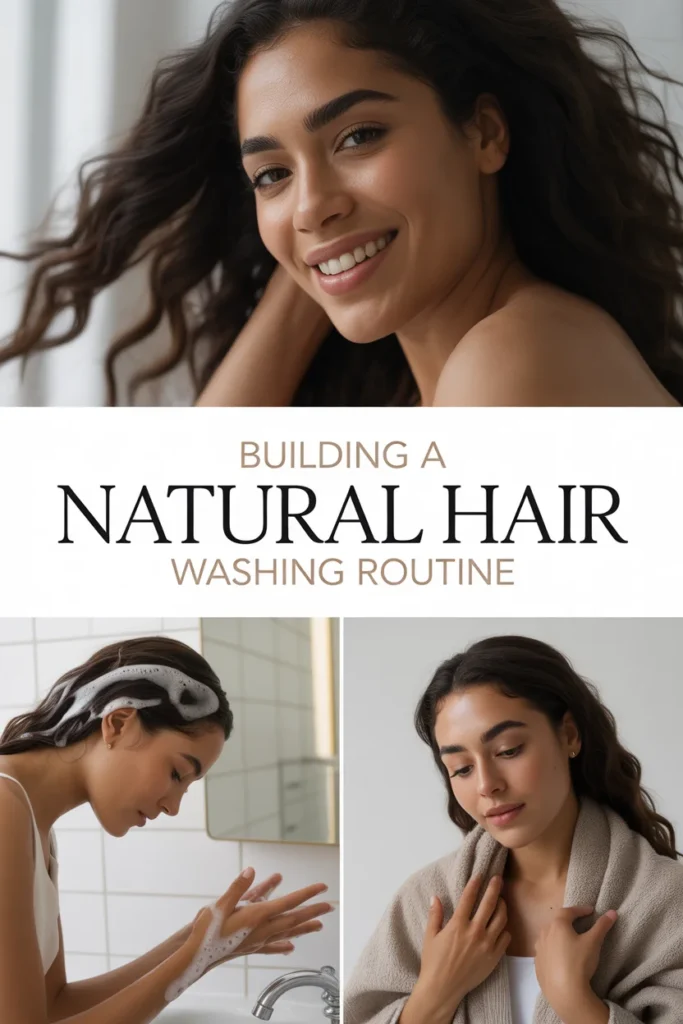
One of the most common mistakes in hair care is washing too frequently. Many people wash their hair every day out of habit — but daily washing strips the scalp of its natural oils, leaving both the scalp and the hair shaft dry, irritated, and more prone to breakage.
Washing Frequency by Hair Type
Straight Hair
Two to three washes per week is ideal for straight hair. Even though straight hair shows oil faster, daily washing strips natural oils. Letting oils stay for a day or two conditions hair and maintains scalp health.
Wavy Hair
Two times per week is a good starting point for most wavy hair types. Washing too frequently disrupts the natural wave pattern and strips moisture that wavy hair already struggles to retain.
Curly and Coily Hair
Washing once a week or every ten days is usually sufficient for curly or coily hair. These hair types are naturally dry and depend on sebum and added moisture to stay healthy. Frequent washing strips moisture from hair, causing dryness, frizz, and breakage.
Choosing the Right Natural Shampoo
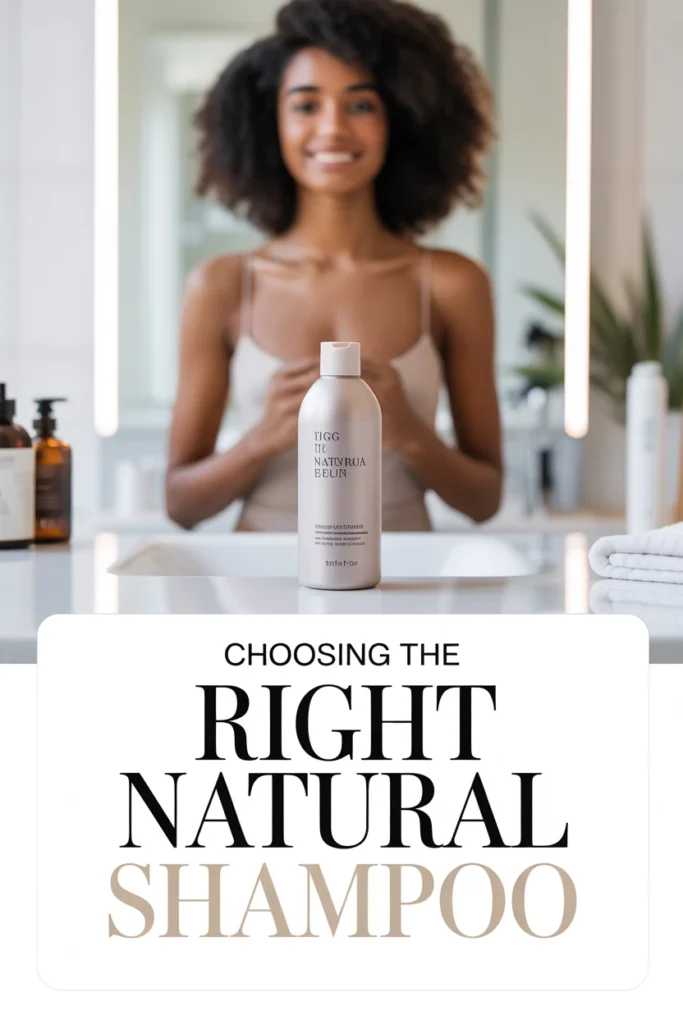
Sulphate-Free Formulas
Sulphates are harsh detergents in most conventional shampoos that create the rich, foamy lather many associate with clean hair. The problem: sulphates are too aggressive for regular use—they strip away not just dirt and build-up, but also the natural oils that keep the scalp balanced and the hair shaft protected. Choose shampoos labelled sulphate-free or with gentle cleansers like carisoprodol Taine.
Natural Cleansing Alternatives
Diluted apple cider vinegar is an excellent natural scalp cleanser. It removes build-up, restores pH balance, reduces oil, and adds shine. Mix one part vinegar with three parts water, apply after shampooing, and leave on for 2 to 3 minutes. Once you’ve chosen your natural shampoo, it’s important to follow the correct washing technique for optimal results.
The Correct Way to Wash Hair
The following steps outline an effective natural washing routine:
Step one — Pre-Wash Oil Treatment
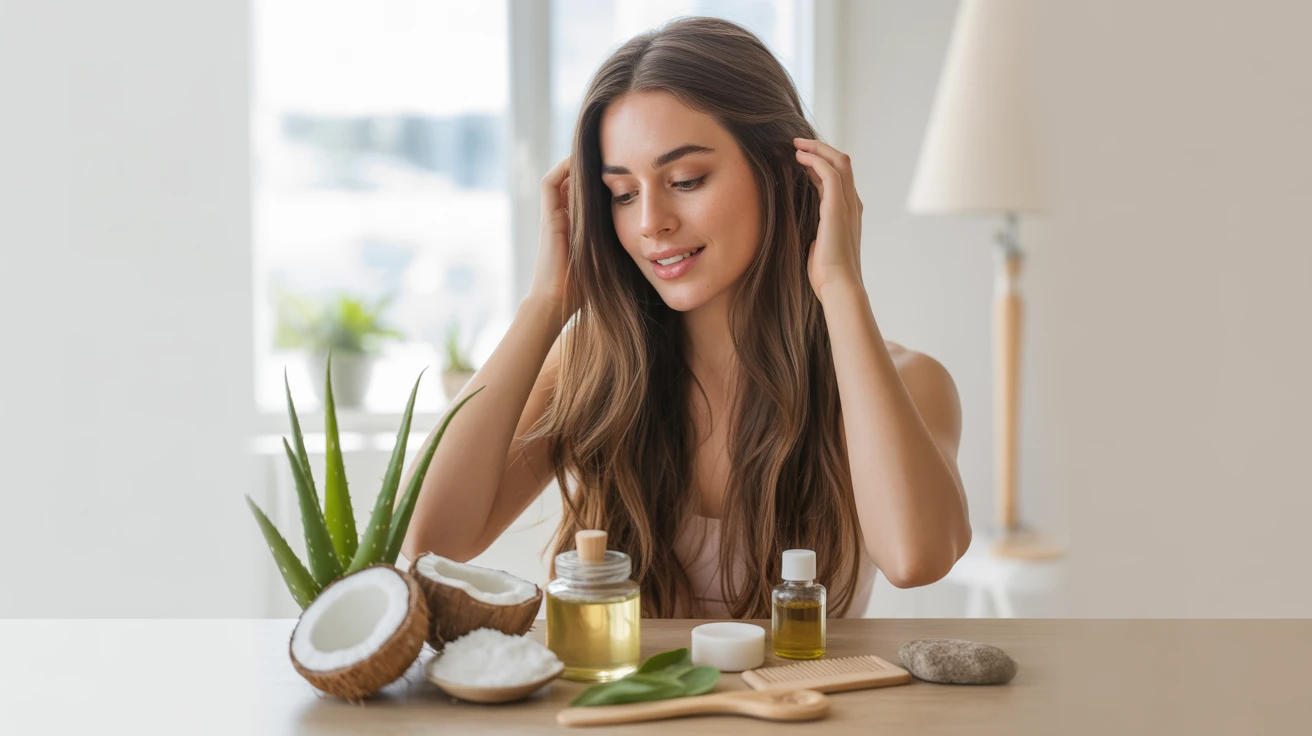
Before washing, apply a light oil, such as coconut, olive, or argan, to the mid-lengths and ends. This pre-poo treatment protects hair from drying during shampoo and limits water absorption, which can lead to breakage. Leave for at least 20 minutes.
Step Two — Wet the Hair Thoroughly
Use lukewarm—never hot—water. Hot water can cause frizz and strip moisture. Fully saturate hair before shampoo.
Step Three — Shampoo
Use only on the scalp, where oil and build-up collect. Build-up collect. The lengths and ends need only the rinse water running through them.
Step Four — Massage Gently With Fingertips
Use the pads of your fingertips — never your nails — to massage the shampoo into the scalp in gentle circular motions. This stimulates blood circulation to the hair follicles, promoting healthy hair growth and loosening any scalp buildup.
Step Five — Rinse Thoroughly
Rinse thoroughly until water runs clear. Later runs clear. Shampoo residue can cause irritation, dandruff, and build-up.
Step Six — Condition Properly
Apply conditioner from mid-lengths to ends—never to the scalp, which does not need it and will become greasy and weighed down. Use a wide-tooth comb to distribute conditioner evenly and gently detangle without causing breakage.
Step Seven — Rinse With Cool Water
Finish with a cool water rinse. Cool water closes the cuticle, seals in moisture, and adds shine. This is among the simplest, most effective natural hair tips—and it costs nothing.
Scalp Care — The Foundation of Healthy Hair

Your Hair Grows From Your Scalp
Everything about the quality, strength, and growth rate of your hair begins at the scalp. The scalp is where hair follicles live, where sebum is produced, and where blood circulation delivers the nutrients that feed new hair growth. A healthy, balanced scalp produces healthy, strong hair. An unhealthy scalp — whether too dry, too oily, inflamed, or clogged — produces weak, slow-growing, or thinning hair.
The Most Common Scalp Problems and Their Natural Solutions
Dry, Flaky Scalp
A dry scalp produces small, fine white flakes and is often accompanied by tightness and itching. It is caused by a lack of moisture, harsh shampoos, cold weather, or an imbalanced scalp microbiome.
Natural Fix: Massage warm coconut oil or jojoba oil into the scalp 30 minutes before washing. Both oils closely mimic the scalp’s natural sebum and provide deep, lasting moisture without clogging follicles. Use a gentle, sulfate-free shampoo and avoid hot water.
Oily Scalp
An oily scalp produces excess sebum, making the hair look greasy quickly. Ironically, an oily scalp is often caused or worsened by over-washing — the scalp overproduces oil to compensate for the oils stripped by frequent shampooing.
Natural Fix: Gradually extend the time between washes to allow the scalp’s oil production to self-regulate. Use a diluted apple cider vinegar rinse to balance the scalp’s pH and reduce excess oiliness. Avoid heavy, oil-based products near the roots.
Dandruff
Dandruff produces larger, oilier flakes than a simply dry scalp and is typically caused by an overgrowth of a naturally occurring scalp yeast called Malassezia.
Natural Fix: Tea tree oil has well-documented antifungal properties that address the root cause of dandruff naturally. Add five to ten drops of tea tree oil to your regular shampoo, or mix it with a carrier oil like coconut oil and massage it into the scalp before washing. Consistency is key — use this treatment at every wash for at least four weeks before assessing results.
Scalp Massage — The Most Underrated Hair Growth Tool
Why Scalp Massage Works
Regular scalp massage increases blood circulation to the hair follicles, delivering more oxygen and nutrients directly to the cells responsible for hair growth. Research has shown that consistent daily scalp massage can increase hair thickness over time and is one of the few genuinely evidence-supported natural approaches to improving hair growth.
How to Do an Effective Scalp Massage
Dry Scalp Massage
Using the pads of all ten fingers, apply firm yet gentle circular pressure to the entire scalp for 3 to 5 minutes daily. You can do this in the shower before shampooing, while watching television, or before bed. The key is consistency — a daily two-minute massage will produce far better results than an occasional ten-minute one.
Oil-Based Scalp Massage
For an enhanced treatment, warm a small amount of natural oil — rosemary oil diluted in a carrier oil is particularly well-supported for hair growth — and massage it into the scalp using the same circular technique. Leave for at least 30 minutes or overnight before washing out.
Rosemary oil, in particular, has been shown in studies to be as effective as minoxidil — a common pharmaceutical hair growth treatment — when applied consistently.
Natural Ingredients That Genuinely Work
The Best Natural Oils for Hair Health

Coconut Oil
Coconut oil is one of the few oils whose molecular structure is small enough to actually penetrate the hair shaft rather than simply sitting on the surface. It reduces protein loss from hair during washing, deeply conditions dry, damaged hair, and adds significant shine. Use it as a pre-wash treatment on the mid-lengths and ends.
Rosemary Oil
As mentioned above, rosemary oil has strong evidence behind its ability to stimulate hair growth by improving scalp circulation. Always dilute it in a carrier oil — 5 drops per tablespoon — before applying to the scalp. Never apply essential oils undiluted to the skin.
Argan Oil
Often called liquid gold for hair, argan oil is rich in vitamin E and essential fatty acids that smooth the hair cuticle, reduce frizz, add shine, and protect against heat and environmental damage. A small amount applied to damp hair before drying works beautifully as a natural finishing treatment.
Jojoba Oil
Jojoba oil is technically a liquid wax whose composition is remarkably similar to the scalp’s natural sebum. This makes it one of the most effective and gentle scalp oils available — it moisturises without blocking follicles, helps balance oil production, and is suitable for all hair types, including oily scalps.
Natural Hair Masks You Can Make at Home
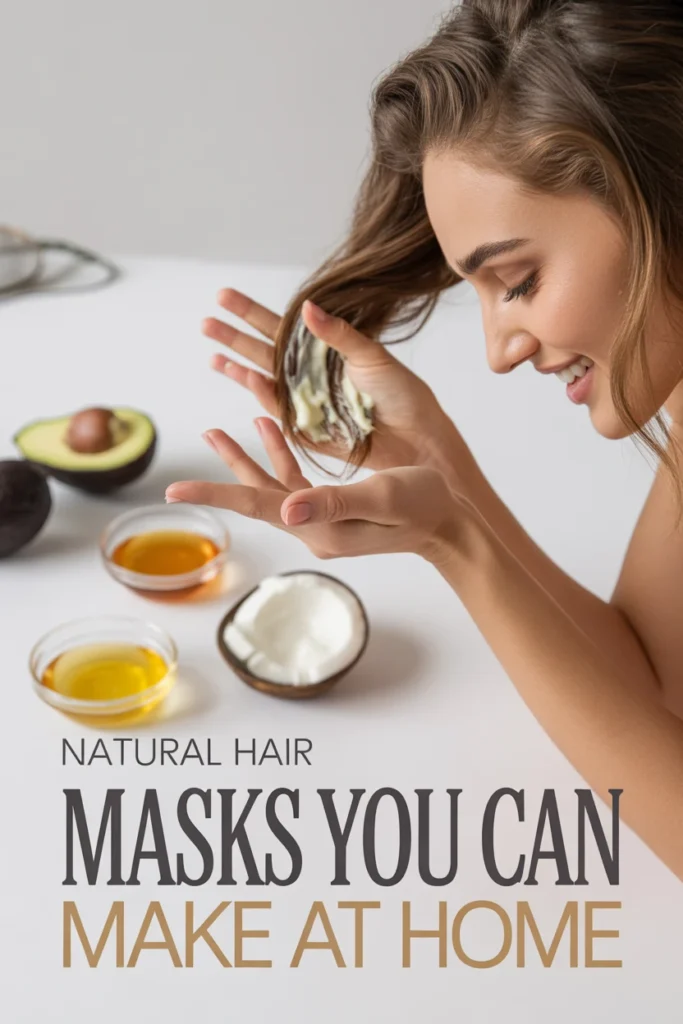
Ingredients
One ripe avocado, two tablespoons of coconut oil, and one tablespoon of honey.
How to Use It
Mash the avocado until completely smooth, mix in the coconut oil and honey, and apply generously from roots to ends on clean, damp hair. Cover with a shower cap and leave for 30 to 45 minutes, then rinse thoroughly and follow with a light conditioner. Use once a week for deeply nourishing moisture restoration.
Scalp Clarifying and Growth Mask
Ingredients
Two tablespoons of plain yogurt, one tablespoon of apple cider vinegar, and five drops of rosemary essential oil.
How to Use It
Mix all ingredients together and apply directly to the scalp only, massaging gently in circular motions. Leave for 20 minutes before washing out with a gentle shampoo. The yogurt provides gentle lactic-acid exfoliation, the apple cider vinegar rebalances scalp pH, and the rosemary oil stimulates circulation and growth.
Diet and Nutrition for Healthy Hair

Hair is one of the last tissues in the body to receive nutrients, after organs, muscles, and bones have taken what they need first. This means that nutritional deficiencies show up in the hair relatively quickly, and a consistently poor diet will always eventually be reflected in the quality, strength, and growth rate of your hair, regardless of how good your external routine is.
The Most Important Nutrients for Hair Health
Protein
Hair is made almost entirely of keratin, a structural protein. Without adequate protein in the diet, the body cannot produce strong, healthy hair fibers. Signs of protein deficiency in hair include excessive shedding, limpness, and reduced elasticity. Include eggs, chicken, fish, lentils, beans, and Greek yogurt regularly in your diet.
Biotin
Biotin — a B-vitamin — is one of the most well-known nutrients for hair health and is found in eggs, nuts, seeds, sweet potatoes, and salmon. Biotin deficiency, though uncommon, causes noticeable hair thinning and nail brittleness. Many people supplement with biotin for hair support, though results are most significant in those with an underlying deficiency.
Iron
Iron deficiency is one of the most common nutritional causes of hair loss in women, particularly in those with heavy menstrual bleeding, which can significantly deplete iron levels. Iron is found in red meat, spinach, lentils, tofu, and fortified cereals. If you suspect iron deficiency, a simple blood test from your doctor can confirm it.
Omega-3 Fatty Acids
Omega-3 fatty acids nourish the hair follicle, support scalp health, and add natural shine and softness to the hair shaft. Excellent sources include fatty fish like salmon and mackerel, flaxseeds, chia seeds, walnuts, and hemp seeds.
Vitamin E
Vitamin E is a powerful antioxidant that protects hair follicles from oxidative stress — one of the contributing factors in premature hair aging and loss. Almonds, sunflower seeds, spinach, and avocado are all rich in vitamin E.
Protecting Hair From Everyday Damage

Taking care of your hair goes far beyond washing and conditioning. Your everyday habits, styling choices, and even the way you sleep all play significant roles in either protecting your hair or slowly damaging it over time.
Heat Damage and How to Avoid It Naturally
Heat is one of the most common and damaging things we expose our hair to. Learning what heat does to hair — and how to style without it — is a key step in any natural hair care routine.
The Real Cost of Heat Styling
Regular use of heat styling tools — straighteners, curling wands, blow dryers — causes cumulative damage to the hair cuticle. Each high-heat session raises the cuticle and damages it, leaving the inner cortex exposed and making hair more prone to moisture loss, breakage, and split ends.
Natural Heat-Free Styling Alternatives
The good news is you can have great hair without using heat. There are easy ways to style hair that use only time, a method, and some patience.
Heatless Waves and Curls
Braid damp hair before bed and unravel in the morning for natural waves that require no heat whatsoever. The tighter the braid, the more defined the wave — use two large braids for loose beach waves or multiple smaller braids for tighter, more defined curls.
Air Drying Correctly
Air drying is better than heat drying. The method you use matters as much as the decision to air dry. Never rub hair with a towel. This roughens the cuticle and creates frizz. Instead, gently squeeze out excess water, then blot with a microfibre towel or a soft cotton t-shirt. These cause less damage than a regular towel.
Protective Styling for Natural Hair
Protective styling keeps hair healthy, retains length, and reduces breakage between wash days. It is crucial for hair types prone to dryness and damage.
What Protective Styling Means
Protective styling refers to wearing the hair in styles that tuck the ends away and minimize daily manipulation, friction, and environmental exposure. This is particularly important for curly and coily hair types, which are the most structurally fragile and the most vulnerable to breakage from everyday handling.
Simple Protective Styles to Try
You do not need a salon or hours of work to benefit from protective styling. Many effective protective styles can be done at home in minutes.
Loose Braids, Buns, and Twists
Loose braids, buns, twists, and updos that keep the ends of the hair tucked away and protected from clothing, collars, and environmental elements all qualify as protective styles. These styles reduce the daily handling your hair requires, thereby reducing breakage and moisture loss.
Keeping Styles From Being Too Tight
Any protective style should never feel tight or pull on the scalp. Ongoing tension can cause traction alopecia, a gradual form of hair loss due to mechanical stress. This can become permanent if not addressed early.
Reducing Breakage From Everyday Habits
Many of the habits that cause the most hair damage are deeply embedded in our daily routines, often going unnoticed. Key takeaways: Identify these habits, and make small, simple changes to see a dramatic, lasting improvement in hair strength, length, and overall health.
Sleep on Silk or Satin
Cotton pillowcases create friction overnight, roughening the cuticle and causing frizz. This contributes to breakage as you sleep. Switching to silk or satin pillowcases or wrapping hair in a scarf reduces friction. It is an easy, affordable, and effective way to maintain long-term hair health.
Detangle Gently and Correctly
Always detangle hair when it is damp and conditioned — never when it is completely dry, as dry hair is significantly more brittle and vulnerable to snapping under tension. Start detangling from the ends and gradually work up to the roots, using a wide-tooth comb or your fingers.
Starting from the roots and dragging downward forces knots deeper into the ends, causing far more breakage than starting at the bottom and working upward.
Avoid Tight Hairstyles Regularly
Wearing hair in very tight ponytails, buns, or braids puts tension on the hairline and follicles. Over time, this can cause traction alopecia—gradual thinning along the hairline that can become permanent if left untreated.
Your Complete Weekly Natural Hair Care Routine
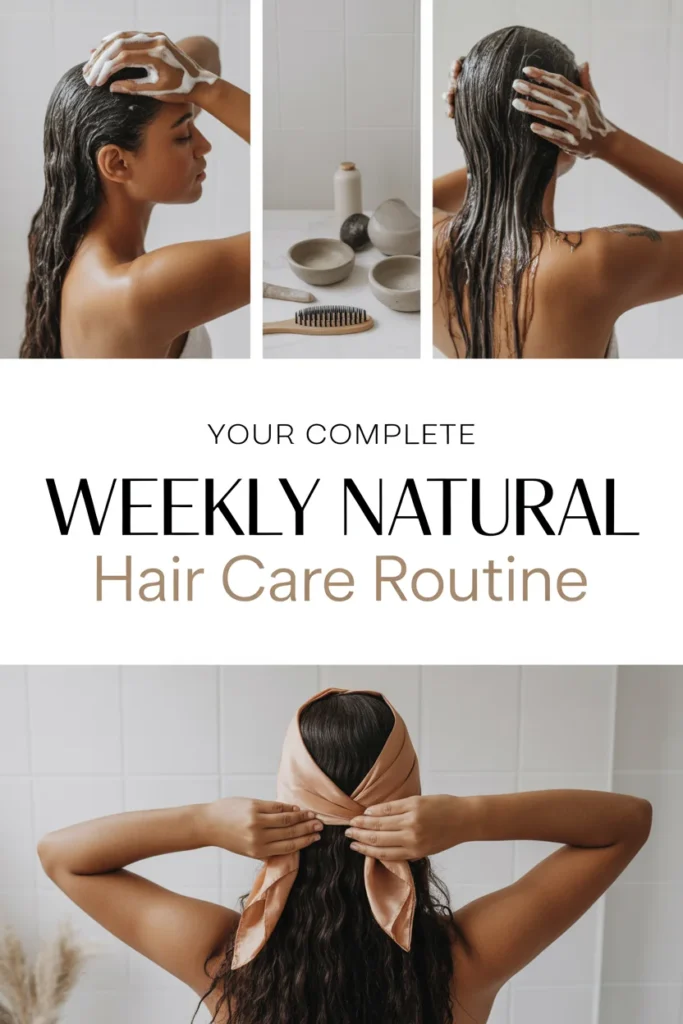
Knowledge alone is not enough. Only a consistent, realistic routine brings real benefits. This section shows a simple weekly schedule covering all aspects of natural hair care, from daily habits to monthly treatments.
A Simple Routine You Can Follow Every Week
Consistency is the single most important factor in natural hair care. A simple routine faithfully followed every week will always produce better results than an elaborate one followed sporadically. The schedule below is designed to be realistic, flexible, and effective for all hair types.
Daily Habits
Your daily haircare habits form the foundation for everything else. What you do, your daily haircare habits form the foundation for everything else. Daily choices for your hair impact its health more than any weekly treatment or monthly mask. Use conditioner on the ends of the hair if they feel dry or rough to the touch.
Style gently, using minimal manipulation and avoiding pulling, tugging, or repeatedly combing the hair throughout the day. Perform a two-minute scalp massage using the pads of your fingertips to stimulate circulation and support healthy follicle activity.
Evening Routine
Prepare your hair for sleep by switching to a silk or satin pillowcase or wrapping hair loosely in a silk scarf before bed. Apply a small drop of argan or jojoba oil to the ends of the hair to prevent overnight moisture loss and minimize the friction and dryness that can occur during several hours of movement against a pillow.
Two to Three Times Per Week
In addition to daily habits, try a few treatments two or three times a week. These mid-week steps support scalp health and hair growth without weighing your hair down.
Rosemary Oil Scalp Treatment
Apply a small amount of diluted rosemary oil in jojoba oil directly to the scalp, then massage gently in circular motions for 3 to 5 minutes. Rosemary oil has strong evidence behind its ability to stimulate scalp circulation and support hair growth, making this one of the most valuable mid-week treatments you can add to your routine.
This treatment can be left in as a scalp serum or washed out after 30 minutes, depending on your hair type and preference.
Wash Day — Once or Twice Per Week
Wash day is the cornerstone of your weekly hair care routine. It deserves proper time and attention, not to be rushed. How often you wash depends on your hair type. Straight hair typically needs washing two to three times per week. Curly and coily hair do best with once per week or once every ten days.
The Wash Day Step-by-Step
Apply a pre-wash oil treatment to the mid-lengths and ends and leave for at least 20 minutes before washing. Shampoo the scalp only with a gentle sulfate-free formula, then condition from mid-lengths to ends with a nourishing conditioner.
Rinse thoroughly with cool water to seal the cuticle, then gently blot — never rub — dry with a microfibre towel. Allow hair to air-dry whenever possible rather than reaching for the blow dryer.
Once Per Week — Deep Conditioning Treatment
A weekly deep conditioning treatment helps your hair’s long-term health and appearance. Deep conditioners penetrate further than regular ones, restoring moisture, rebuilding strength, and improving elasticity.
How to Apply a Deep Conditioning Mask
Apply a generous amount of your chosen deep conditioning hair mask — either a natural homemade version or a quality store-bought formula — from the roots to the ends on clean, damp hair.
Cover with a shower cap to trap heat and enhance absorption, and leave for 30 to 45 minutes before rinsing thoroughly with cool water. Use this treatment every single week, without skipping, for the best, most consistent results.
Once Per Month — Scalp Clarifying Treatment
Even with a consistent routine, product residue and mineral deposits build up. Use a monthly clarifying treatment to remove this buildup. It unclogs follicles and resets the scalp for healthy growth.
Apple Cider Vinegar Scalp Rinse
Mix 1 part apple cider vinegar with 3 parts water, then apply the mixture directly to the scalp after shampooing, massaging gently to ensure full coverage. Leave it on for 2 to 3 minutes — you will feel a gentle tingling as it rebalances the scalp’s pH and dissolves mineral and product buildup. Rinse thoroughly with cool water and follow with your regular conditioner to restore softness and manageability.
Frequently Asked Questions
How long does it take to see results from a natural hair care routine?
Ans: Most people begin to notice improvements in hair texture, softness, and manageability within four to six weeks of consistently following a natural routine.
Significant improvements in growth, thickness, and overall health typically become visible after three to six months. Hair grows slowly, and natural care is a long-term investment rather than a quick fix.
Can natural oils replace commercial conditioners?
Ans: Natural oils complement conditioners but do not replace them entirely for most hair types. Conditioners work by temporarily bonding to the hair shaft and smoothing the cuticle, which oils do not do in the same way.
The most effective approach is to use both — a conditioner to hydrate and smooth after washing, and a natural oil to seal moisture in and protect the hair shaft between washes.
Is it true that trimming hair makes it grow faster?
Ans: Trimming does not directly affect hair growth rate, which is determined entirely by the hair follicle in the scalp. However, regular trims remove split ends, which prevents the splitting from traveling further up the hair shaft and causing breakage. This means hair retains its length better over time, which gives the impression of faster growth.
What is the best natural remedy for hair thinning?
Ans: Consistent scalp massage combined with rosemary oil application is currently the most evidence-supported natural approach for hair thinning. Addressing any nutritional deficiencies — particularly iron and biotin — is equally important.
If thinning is significant or sudden, consulting a doctor or dermatologist is always recommended to rule out underlying medical causes.
Can hard water damage hair?
Ans: Yes. Hard water contains high levels of calcium and magnesium, which can build up on hair shafts over time, making hair feel rough, dull, and difficult to manage.
If you live in a hard-water area, using a chelating shampoo once or twice a month, rinsing with filtered water, or using a diluted apple cider vinegar rinse regularly can help remove mineral buildup and restore hair softness.
Conclusion
Healthy hair is not a destination you arrive at with the right product purchase. It is the result of a consistent, informed, and patient routine built on understanding what your hair genuinely needs and giving it exactly that — naturally, gently, and consistently over time.
Start with the foundation. Understand your hair type and porosity. Build a washing routine that respects your scalp’s natural balance. Feed your hair from the inside with the right nutrition. Protect it from the daily damage that silently weakens it. And above all, be patient and consistent — because healthy hair is always a long game, and the results are always worth it.
Your most beautiful hair is not behind you. It is growing right now, waiting for the right care to let it thrive.