Why Your Outfits Look Cheap (And How to Fix It Instantly)
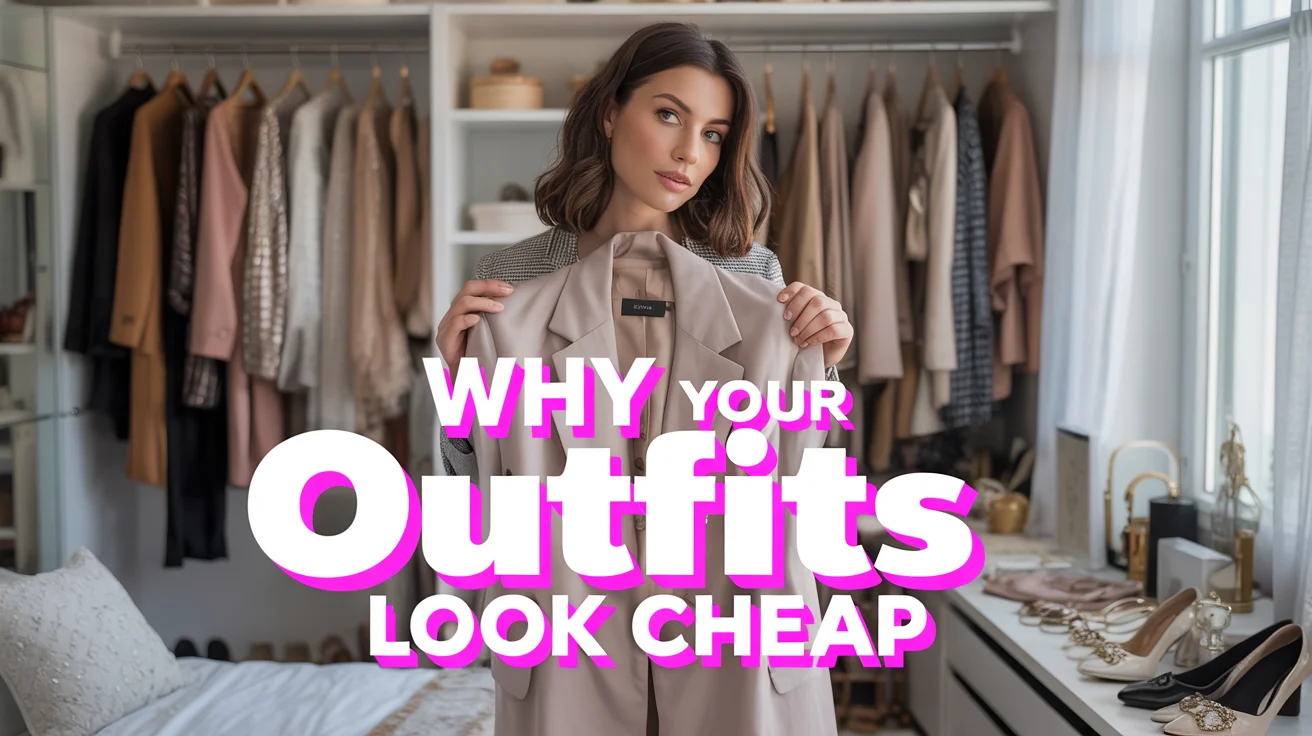
Have you ever assembled an outfit that seemed cute at home, only to wonder later, “Why does this look so cheap?” You’re not alone. Many people feel their outfits give off low-effort vibes, even when the pieces themselves aren’t actually inexpensive.
The good news? Looking expensive isn’t about spending more. Avoid common mistakes and use smart styling to elevate your look. This guide explains why your outfits look cheap and gives immediate tips to upgrade them on a budget.
No matter your approach—fast fashion, mixed high-low pieces, or building a capsule wardrobe—it’s time to focus on the steps that will help you achieve that polished, quiet luxury aesthetic everyone admires.
Let’s dive in, starting with the core reasons outfits may look cheap, and discover how to transform your style today.
The Psychology Behind Outfits That Look Cheap
Looking cheap isn’t always about the price tag. We notice cues like fabric drape, fit, texture, and grooming.
Cheap-looking outfits often feature:
- Stiff, shiny synthetics that don’t move naturally
- Poor proportions and ill-fitting silhouettes
- Visible wear, wrinkles, or pilling
- Clashing accessories or overwhelming logos
High-end style signals intention and timeless elegance. Elevated habits matter more than labels. Even luxury items can look cheap if neglected, while affordable finds look upscale with the right tweaks.
Focus on fabric, fit, and details to transform your look from messy to effortlessly chic in minutes. Next, let’s examine the most common mistakes and how to correct them for an instantly elevated look.
Mistake #1: Ignoring Fabric Quality and Texture (The Biggest Culprit)
Cheap-looking outfits often result from low-quality fabrics such as shiny polyester, clingy thin jersey, or materials that pill quickly. Fast-fashion brands use synthetic blends to save costs. These fabrics lack structure, wrinkle easily, and reflect light unnaturally.
Instant fixes to make clothes look expensive:
- Choose natural or high-quality blends: Opt for cotton, linen, wool, silk, or premium viscose that drapes beautifully.
- Feel the fabric in-store — avoid anything that feels sticky, overly stiff, or paper-thin.
- Mix textures for depth: Pair a crisp cotton shirt with soft wool trousers or a matte knit with leather-like accents. Texture contrast creates visual interest and signals quality.
Pro Tip: Invest in a few versatile, high-quality fabrics, such as a good wool coat or a silk blouse. They anchor cheaper items and elevate the whole outfit.
Mistake #2: Poor Fit – The Silent Outfit Killer
Nothing makes your outfits look cheap faster than ill-fitting clothes. Baggy shoulders, gaping buttons, pooled pants, or riding-up tops all signal poor fit.
Common issues:
- Too tight: Creates bulges and pulls at seams.
- Too loose: Looks sloppy and unstructured
- Wrong length: Pants dragging on the ground or sleeves too short
How to fix fit instantly:
- Learn basic tailoring: A simple hem or dart adjustment at a local tailor costs little but transforms everything.
- Use belts strategically: Cinch oversized shirts or dresses at the waist to create shape.
- Try the “tuck and roll” technique: French tuck a top into high-waisted bottoms for balanced proportions.
- Shop for your body shape: Understand whether you’re a pear, apple, or hourglass, and choose cuts that flatter (e.g., A-line skirts for balance).
Remember, fit is key to looking expensive. A $20 t-shirt tailored well outshines a $200 untailored one. Next up: clothing care and maintenance—the essentials to keep your outfits looking their best.
Mistake #3: Wrinkled, Pilled, or Unkempt Clothing
Wrinkled clothes are an instant giveaway. Faded colors, pilled knits, or stains also downgrade your appearance.
Quick maintenance routine:
- Steam instead of iron: A handheld steamer removes wrinkles without shine marks and is gentler on fabrics.
- Use a lint roller or fabric shaver daily: Remove pills and pet hair for a fresh look.
- Follow care labels: Wash delicates by hand or in mesh bags; air dry when possible to preserve shape.
- Store properly: Use padded hangers for structured pieces and garment bags for delicate items.
Rotate your wardrobe regularly to limit wear on favorite pieces and maintain garment integrity. With clothes cared for, let’s talk about another element that can upgrade or ruin your look—accessorizing.
Mistake #4: Over-Accessorizing or Choosing the Wrong Accessories
Too many mismatched or cheap accessories make solid outfits look low-end, while too few can look flat.
How to elevate with accessories:
- Quality over quantity: Choose a few statement pieces in gold, silver, or neutral tones rather than a pile of trinkets.
- Mix metals thoughtfully, or stick to one tone for a polished monochromatic effect.
- Add luxe touches: A silk scarf tied to a bag handle, delicate layered necklaces, or classic hoop earrings.
- Shoes and bags matter: Invest in neutral, well-made footwear and one good handbag to anchor your look.
LSI-friendly Tip: Tonal dressing (head-to-toe in similar shades) paired with one contrasting accessory creates a high-end, streamlined silhouette. Having covered accessories, let’s address how trends and prominent logos impact the overall look.
Mistake #5: Visible Logos, Fast-Fashion Giveaways, and Trend Overload
Wearing multiple visible logos or embracing trends indiscriminately will undermine the sophistication of your outfit and signal a lack of restraint.
Better approach:
- Embrace quiet luxury: clean lines, minimal branding, and timeless pieces.
- Mix high and low successfully: Pair a designer-inspired bag with affordable jeans, but ensure the overall vibe feels intentional.
- Edit trends: Incorporate one trendy element (like a current color) into classic basics rather than going full trend. Now, let’s talk about proportions and structure—key elements for an elevated outfit.
Mistake #6: Wrong Proportions and Lack of Structure
Unbalanced outfits—too loose or too tight—look cheap. Structure adds sophistication.
Instant proportion fixes:
- Balance oversized tops with fitted bottoms (and vice versa).
- Add a blazer or structured jacket for instant polish.
- Use belts, tucks, or layering to define the waist.
- Monochromatic neutral outfits stretch and elevate your look for effortless sophistication. Once your clothes are styled right, it’s time to focus on grooming and those finishing touches that pull your look together.
Mistake #7: Neglecting Grooming and Finishing Touches
Perfect clothes can still look cheap paired with messy hair, chipped nails, or visible undergarments.
Polishing checklist:
- Keep nails clean and shaped (neutral polish or clear coat works wonders).
- Style hair neatly — a sleek ponytail or loose waves add refinement.
- Ensure undergarments are seamless and invisible.
- Pay attention to posture; standing tall instantly upgrades any outfit. Now that we’ve addressed clothing and grooming habits, let’s explore advanced strategies to achieve budget-friendly luxury.
Advanced Tips to Make Any Outfit Look Expensive on a Budget
Now that you know why outfits look cheap, here are bonus tips for long-term success: build a capsule wardrobe of neutrals and quality basics.
- Shop secondhand or sales: For premium fabrics and tailoring potential.
- Learn color theory: Stick to flattering palettes and avoid clashing brights.
- Layer intelligently: Combine different textures and lengths for depth.
- Invest in versatile shoes: Nude heels, classic sneakers, or leather boots go with everything.
- Use the “sandwich method”: Match top and bottom tones with a contrasting middle layer.
- Take outfit photos: Review them critically to spot issues before leaving home.
Real-Life Before-and-After Transformations
Compare a wrinkled graphic tee and baggy jeans to a steamed, well-fitted white button-down (French-tucked), dark jeans, a slim belt, and classic loafers. The outcome is a dramatic shift from casual and unrefined to sophisticated and intentional.
Or take a basic black dress: Add a tailored blazer, delicate jewelry, and pointed-toe flats, and it instantly screams elevated style. These small changes add up. Try one or two fixes per outfit to start, and you’ll soon get more compliments.
Final Thoughts
Most cheap-looking outfits result from fixable habits neglecting fabric, fit, maintenance, or accessories. The instant fixes here—steaming, tucking, belting, better textures, and tonal dressing—can instantly upgrade your wardrobe without overspending.
Start small, pick one outfit today, apply 2-3 tips, and build from there. Over time, these habits will become second nature, giving you that confident, polished look that turns heads. Fashion is about feeling good in your skin and presenting your best self. You don’t need a big budget — just intention and a few smart tweaks.